Adult Mental Health
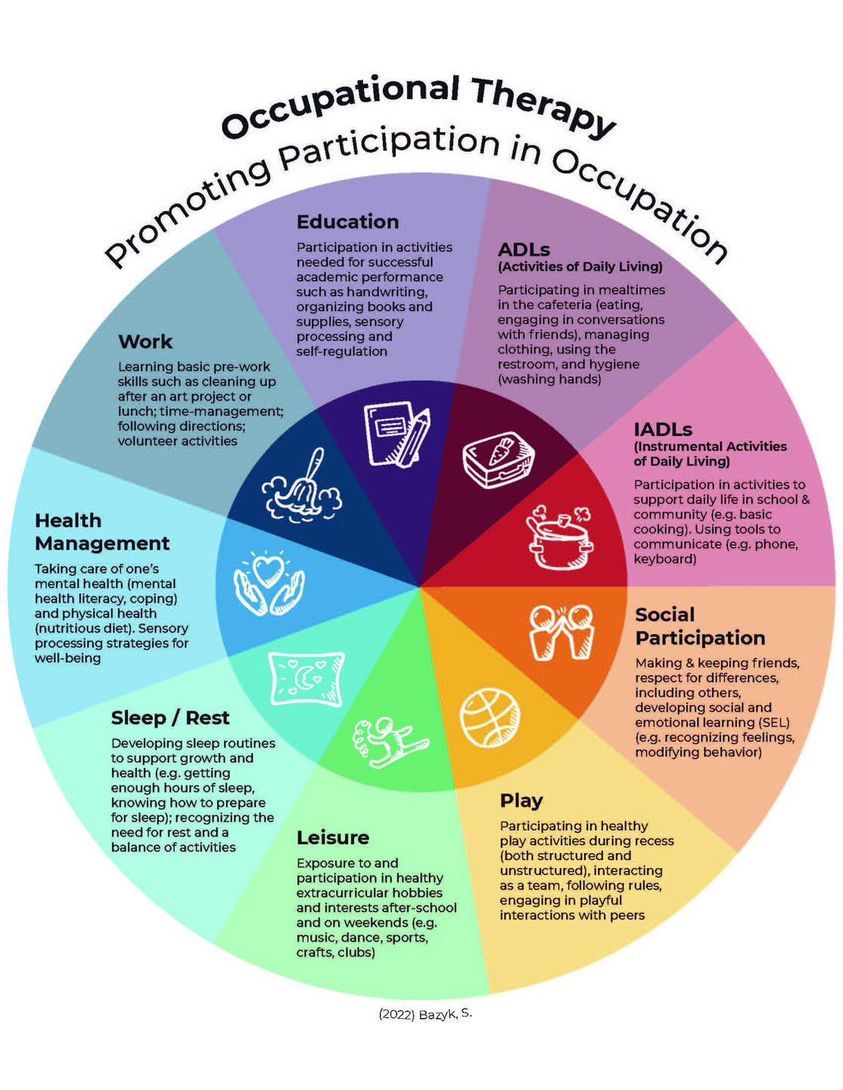
Occupational therapists (OTs) can play a significant role in supporting adults with mental health challenges. Their approach focuses on helping individuals engage in meaningful activities and routines to improve their overall well-being and quality of life. Here's how an occupational therapist can help with adult mental health:
Activity Analysis: Occupational therapists assess the individual's daily activities, routines, and roles to understand how mental health challenges may be affecting their ability to function. They identify areas where difficulties arise and work to develop strategies to address those challenges.
Routine Establishment: OTs help individuals establish structured daily routines, which can provide a sense of stability and purpose. Following a routine can contribute to better sleep patterns, improved mood, and reduced anxiety.
Goal Setting: Occupational therapists work collaboratively with clients to set realistic goals that align with their values and aspirations. These goals can range from simple activities of daily living to more complex tasks related to work, leisure, and social interactions.
Coping Skills: Individuals with mental health issues often need effective coping strategies to manage stress, anxiety, depression, and other symptoms. Occupational therapists teach and practice these strategies, which can include mindfulness, deep breathing, relaxation techniques, and problem-solving skills.
Social Skills: OTs help individuals develop or regain social skills that might have been impacted by mental health challenges. This could involve improving communication, building self-confidence, and enhancing the ability to initiate and maintain relationships.
Vocational Support: Occupational therapists assist individuals in maintaining or returning to work. They can offer strategies for managing work-related stress, improving time management, and adapting the work environment to accommodate mental health needs.
Leisure and Recreation: Engaging in meaningful leisure and recreational activities is important for mental health. Occupational therapists help individuals explore hobbies and interests that provide joy and a sense of accomplishment.
Self-Care: Occupational therapists work on developing or enhancing self-care skills, including personal hygiene, grooming, dressing, and maintaining a healthy lifestyle. These skills contribute to an individual's overall well-being.
Environmental Modifications: OTs evaluate an individual's living environment and suggest modifications to support mental health. This might involve creating an organized and clutter-free space, adding sensory-friendly elements, or enhancing natural lighting.
Time Management: Managing time effectively can be challenging for individuals with mental health concerns. Occupational therapists provide strategies to prioritize tasks, set achievable goals, and avoid becoming overwhelmed.
Community Integration: Occupational therapists help individuals participate in their communities and engage in social activities. This can reduce feelings of isolation and improve overall social connectedness.
Medication Management: While occupational therapists don't prescribe medications, they can educate individuals about their medications, help them establish routines for taking medication, and provide strategies for managing potential side effects.
Collaboration: Occupational therapists often work as part of a multidisciplinary team, collaborating with psychiatrists, psychologists, social workers, and other healthcare professionals to provide comprehensive care for individuals with mental health issues.
By focusing on the individual's strengths, needs, and preferences, occupational therapists contribute to the development of personalized strategies that support mental health recovery, enhance functional abilities, and promote overall well-being.